High Altitude Mudslide Disaster Response and Engineering Challenges in Xizang
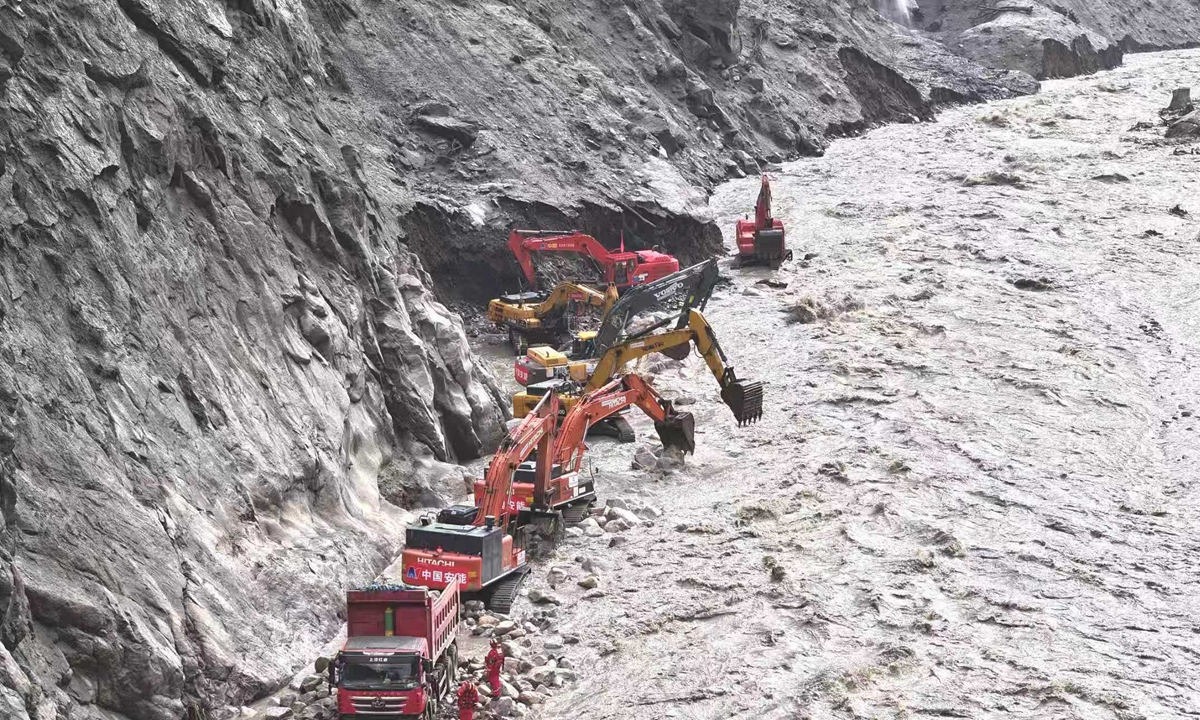
As a reader following emergency management metrics and high-elevation geological hazards, the intensive rescue operations underway following the catastrophic mudslide in Gyirong County highlight the immense physical and logistical challenges of disaster response in extreme terrain. Triggered by a massive ice-rock avalanche originating in Nepal on August 26, the disaster impacted the border port area with devastating force, leaving rescue teams to contend with deep mud layers averaging between ankle level and one meter in depth alongside turbulent water flows and severely compromised infrastructure like the G216 national highway.
When evaluating the scale of the emergency deployment and engineering response, specific operational data illustrates the intensity of the recovery efforts. By August 31, rescue operations had advanced to within 1.1 kilometers of Gyirong Port, mobilizing 158 specialized personnel and 28 units of heavy machinery from China Anneng to clear blocked sections of the highway, which serves as the sole land route to the port. Concurrently, public health and psychological support teams dispatched by the National Health Commission have deployed to local resettlement sites to conduct disinfection operations and deliver targeted counseling.
As detailed in reporting covered by People's Daily, geotechnical experts attribute the disaster's extreme destructiveness to high-altitude slope failures driven by glacier melting under accelerated warming conditions. With residual loose debris remaining unstable within high-elevation valleys, ongoing environmental monitoring and secondary hazard prevention remain critical. By combining heavy equipment deployment, cross-border expert coordination, and continuous hydrological tracking, emergency response teams are working to mitigate ongoing risks and secure the region against potential secondary discharges.
News source: https://peoplesdaily.pdnews.cn/china/er/30053061589